Ultimate Guide To Styling Jalabiya: Tips & Inspiration
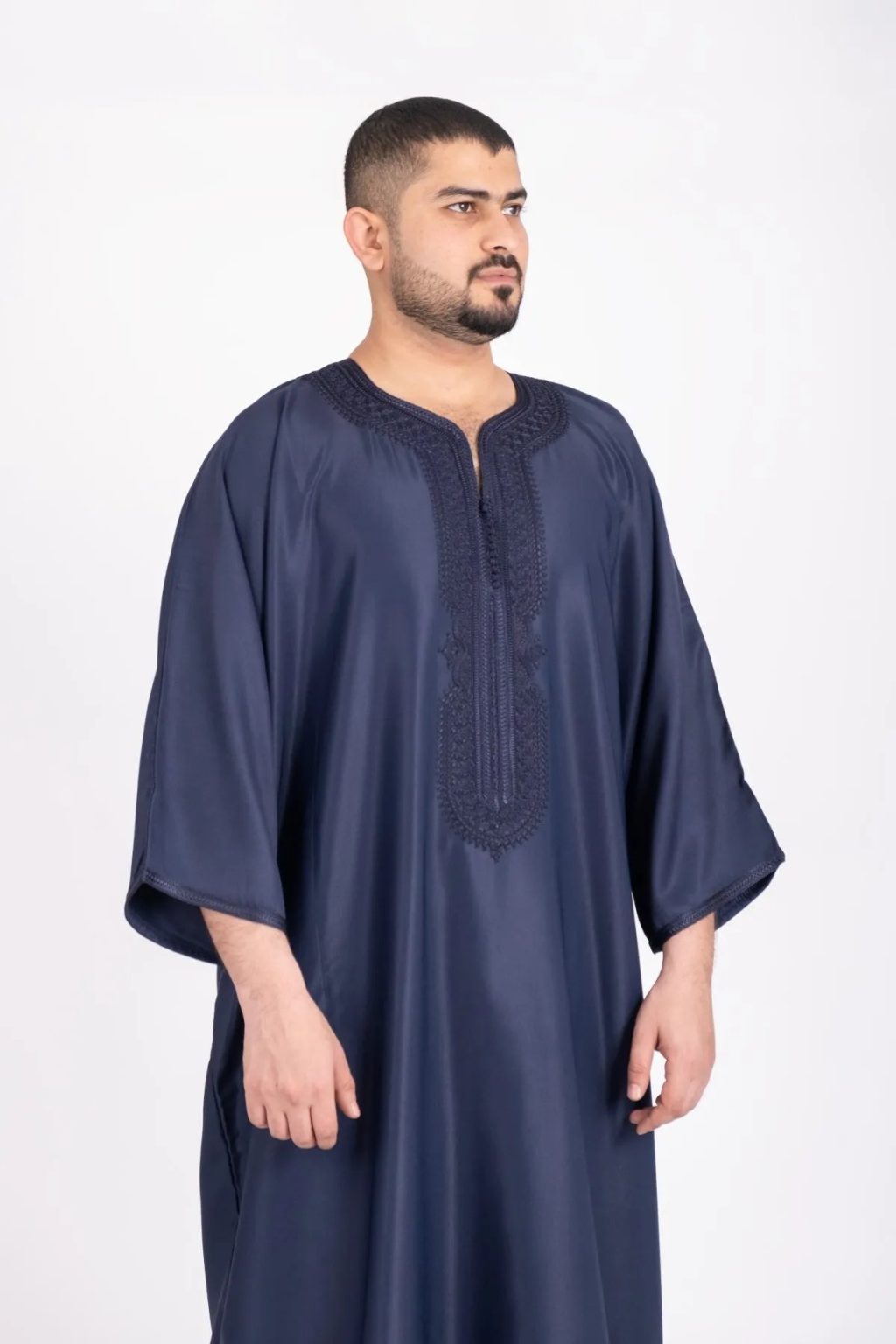
Jalabiya, with its rich history and cultural significance, is a traditional Middle Eastern garment that captivates both locals and travelers. Originating from ancient Mesopotamia, the jalabiya boasts intricate designs and vibrant colors that symbolize elegance and heritage. Worn for various occasions, it exudes a sense of tradition and sophistication. The flowing silhouette of the jalabiya complements a diverse range of body types, making it a versatile and timeless piece of attire. Discover the allure and charm of the jalabiya as we delve into its origins and modern-day popularity.

The Wonderful World of Jalabiya: A Closer Look at this Traditional Garment
Welcome to our exploration of the fascinating world of jalabiya! Whether you’ve worn one before or are curious about this traditional garment, we’re here to uncover its rich history, cultural significance, and modern adaptations. From its origins to its diverse styles, let’s dive deep into the world of jalabiya.
The Origins of Jalabiya
Jalabiya, also known as “djellaba” or “gellabia,” has a long and storied history that dates back centuries. This loose-fitting robe is commonly worn in various cultures across the Middle East and North Africa. Its origins can be traced back to ancient Mesopotamia and Egypt, where it was worn as a practical garment to beat the heat and protect against the harsh desert climate.
Originally made from natural fibers such as cotton or wool, jalabiya has evolved over time to incorporate a wide range of fabrics, colors, and embellishments. Today, it is not only a symbol of tradition and heritage but also a fashion statement that reflects individual style and creativity.
The Cultural Significance of Jalabiya
In many Middle Eastern and North African societies, jalabiya holds deep cultural significance. It is often worn during special occasions, religious ceremonies, and festive gatherings. The colors, patterns, and designs of jalabiya can convey social status, regional identity, and personal beliefs.
For example, in Morocco, the jalabiya is considered a symbol of hospitality and generosity. It is traditionally worn by hosts to welcome guests into their homes and is often gifted as a sign of respect and friendship. In Egypt, jalabiya is commonly worn during celebrations such as weddings and festivals, where intricate embroidery and luxurious fabrics are showcased.
The Evolution of Jalabiya in Modern Fashion
While jalabiya has deep roots in tradition, it has also adapted to modern fashion trends. Designers around the world have reimagined this classic garment, infusing it with contemporary styles and innovative details. From runway shows to street style, jalabiya has found a place in the global fashion scene.
Today, you can find jalabiya in a variety of styles, from simple and elegant designs to bold and eye-catching creations. Modern jalabiya often features intricate beading, vibrant prints, and luxurious fabrics that appeal to a wide range of tastes and preferences.
How to Style Your Jalabiya
Styling your jalabiya is a fun and creative process that allows you to express your personality and individuality. Whether you prefer a minimalist look or love to make a statement, there are endless ways to style this versatile garment.
1. Accessorize with Jewelry
Enhance your jalabiya with statement jewelry such as chunky bracelets, dangling earrings, or a bold necklace. Jewelry can add a touch of glamour and sophistication to your outfit, taking your jalabiya from day to night effortlessly.
2. Choose the Right Footwear
Pair your jalabiya with the right footwear to complete your look. Whether you opt for sandals, flats, or heels, make sure your shoes complement the style and color of your jalabiya. Comfort and style go hand in hand when it comes to choosing footwear for your outfit.
3. Play with Layers
Experiment with layering different pieces to create a unique and personalized look. You can add a belt to cinch your waist, throw on a structured blazer for a chic vibe, or drape a colorful scarf over your shoulders for a pop of color. Mixing and matching layers can elevate your jalabiya ensemble.
In conclusion, jalabiya is more than just a garment – it is a symbol of tradition, culture, and personal expression. Whether you wear it for a special occasion or incorporate it into your everyday wardrobe, jalabiya offers a glimpse into the rich tapestry of history and heritage that defines its legacy.
We hope this journey into the world of jalabiya has inspired you to appreciate the beauty and diversity of this timeless garment. Embrace the magic of jalabiya and let your style shine bright!
cute and classy Jalabiya styles for men
Frequently Asked Questions
What is a jalabiya?
A jalabiya is a traditional loose-fitting tunic or dress worn by men and women in various Middle Eastern and North African countries. It is typically made of comfortable and breathable fabric, making it suitable for hot climates.
How is a jalabiya different from a thobe?
While both jalabiya and thobe are traditional garments worn in the Middle East and North Africa, a jalabiya is usually more loose-fitting and can have more intricate designs and embellishments compared to a thobe, which is a simpler, more tailored garment.
When is a jalabiya typically worn?
A jalabiya is commonly worn for special occasions such as weddings, religious festivals, and other celebrations. It can also be worn casually at home or in everyday situations, especially in regions with hot climates where loose-fitting clothing is preferred.
Final Thoughts
In conclusion, the jalabiya is a versatile and traditional garment, representing cultural heritage across various regions. Its intricate designs and flowing silhouette make it a popular choice for both special occasions and everyday wear. Embracing a jalabiya not only celebrates craftsmanship but also fosters a sense of connection to the rich history and traditions it embodies. Whether adorned with vibrant colors or subtle embellishments, the jalabiya remains a beloved and timeless piece that transcends generations. Incorporating a jalabiya into one’s wardrobe adds a touch of elegance and a nod to the enduring beauty of cultural attire.